2022-09-15
Interview with Mr. Woo and Mr. Yeo
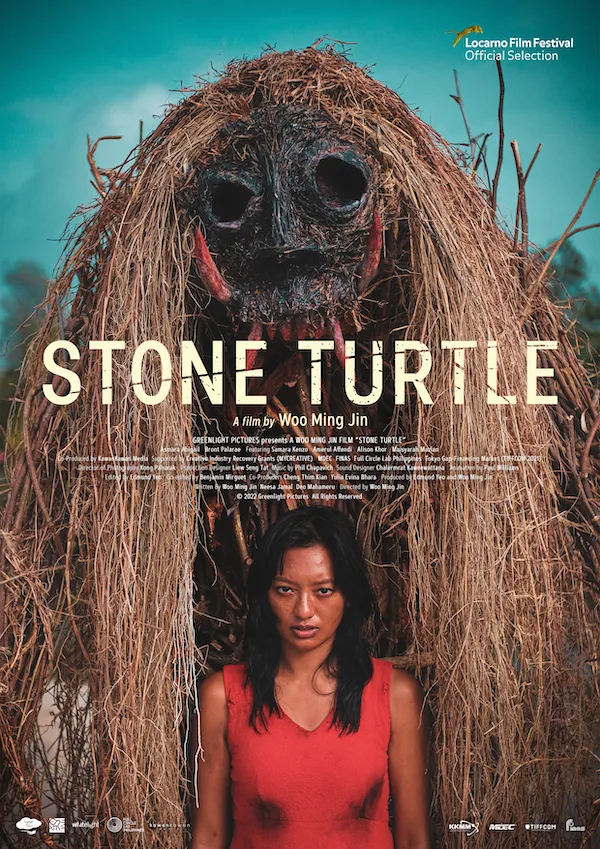
TGFM: Congratulations on winning Fipresci Prize at Locarno Film Festival. Why do you think the film is highly acclaimed?
Woo: The film was very well received by both audiences and critics at its world premiere screening at Locarno, as I think the film is not only an engaging thriller with social political issues, strong characters and has striking visuals, it is also a film that experiments with multiple genres; time loops, animation, action. It is a film that challenges the audience, but also celebrates cinema in its diverse forms.
TGFM: Mr. Woo and Mr. Yeo have worked together and created many films succeeded in major film festivals such as “Woman on Fire Looks for Water”, “The Tiger Factory”, “River of Exploding Durians”, “We, the Dead”.
How did you two met?
What is the role of Greenlight Pictures which Mr. Woo established?
Yeo: We met in 2007 through another filmmaker friend, coincidentally, we were watching the late Yasmin Ahmad’s film “Mukhsin” in the cinema. At that time I had just graduated from my studies in Australia and was planning to do my Masters in Tokyo, so I was still a film student with a lifelong dream of making films, Director Woo at that time had already made two feature-length films that made waves in international film festivals. He had just established Greenlight Pictures and needed extra help, both of us got along well and had similar film tastes, so he asked whether I’ll be interested in joining him as a producer-in-training, which would be great opportunity for me to experience actual film shoots before I pursue my path as a film director. I was eager to learn, so I said yes. This would lead to our long-term collaboration over the years.
Greenlight Pictures was established back then to create auteur-driven works that can push cinematic boundaries and provide alternatives beyond the conservative film studio system we had in our country. We had always believed in working with the best creative collaborators around the world because it helps broaden our own artistic canvas and worldview, hence the various international co-productions we were part of.
TGFM: How did the participation at TGFM 2020 help “Stone Turtle” completed?
Indonesia joined the team after your participation at TGFM, would you tell us how it happened?
Yeo: I think the many meetings we had at TGFM 2021 provided us a blueprint and inspiration on how to put together our project. By talking and meeting producers around the world, we were able to share and exchange information, these meetings are always invaluable to us, because it reinforced our desire to take a more international approach with our project. For example, it was after this that I reached out to my friend, the animator Mr Paul Williams (who is based in Japan), to help us with the animated sequences of our film.
Also, once we confirmed that we wanted to invite the Indonesian actress Ms. Asmara Abigail to participate in our project as our lead, we reached out to KawanKawan Media (who had produced many works we have admired) to explore the possibilities of collaborating. We were very grateful that they said yes and joined us. I think the collaboration between Southeast Asian countries in recent years have resulted in many worthwhile works which received international acclaim, we were eager to learn and make the best film we could with different collaborators of different cultural and national backgrounds.
TGFM: Mr. Yeo has a strong bond with Japan; studying films at Waseda University, participations in Tokyo International film festival, releasing “Moonlight Shadow” in theaters in Japan.
Please tell us what is memorable for you throughout your experience at Tokyo International Film Festival.
Do you have any plan to collaborate with Japan?
Yeo: Yes, in many ways I treat Japan as the base for my creative works, I have already lined up numerous Japanese projects to work on over the next few years, so the collaboration with Japan will definitely continue 🙂
TGFM: Under the pandemic, producing a film is harder than before. How did you work on continuing to produce the film in difficult circumstances? Do you have any advice for other filmmakers?
Woo: It was very difficult, as there were many restrictions, including getting visas for our international cast and crew (actress Asmara Abigail and Cinematographer Kong Pahurak). Apart from quarantine issues and health concerns, we needed to operate on a small crew. Our entire staff was under 20 people, and we were able to isolate in a bubble in the area which we shot in. In some ways, this restriction made our cast and crew closer and we became more like a family while we were shooting. I think this resulted in us working very well together, in a holistic way, and the results showed on screen, as I felt the bond between actors and also crew merged into what we see in the final film. So sometimes the disadvantage can become an advantage.
My advice is to continue making films, and challenge what the majority thinks you should make as an artist. Always try to find new ways to tell your story.