2026-07-16
An Interview with “9 Temples to Heaven” Director Sompot Chidgasornpongse and Producer Kissada Kamyoung, Official Selection at the Directors’ Fortnight of the Cannes Film Festival 2026
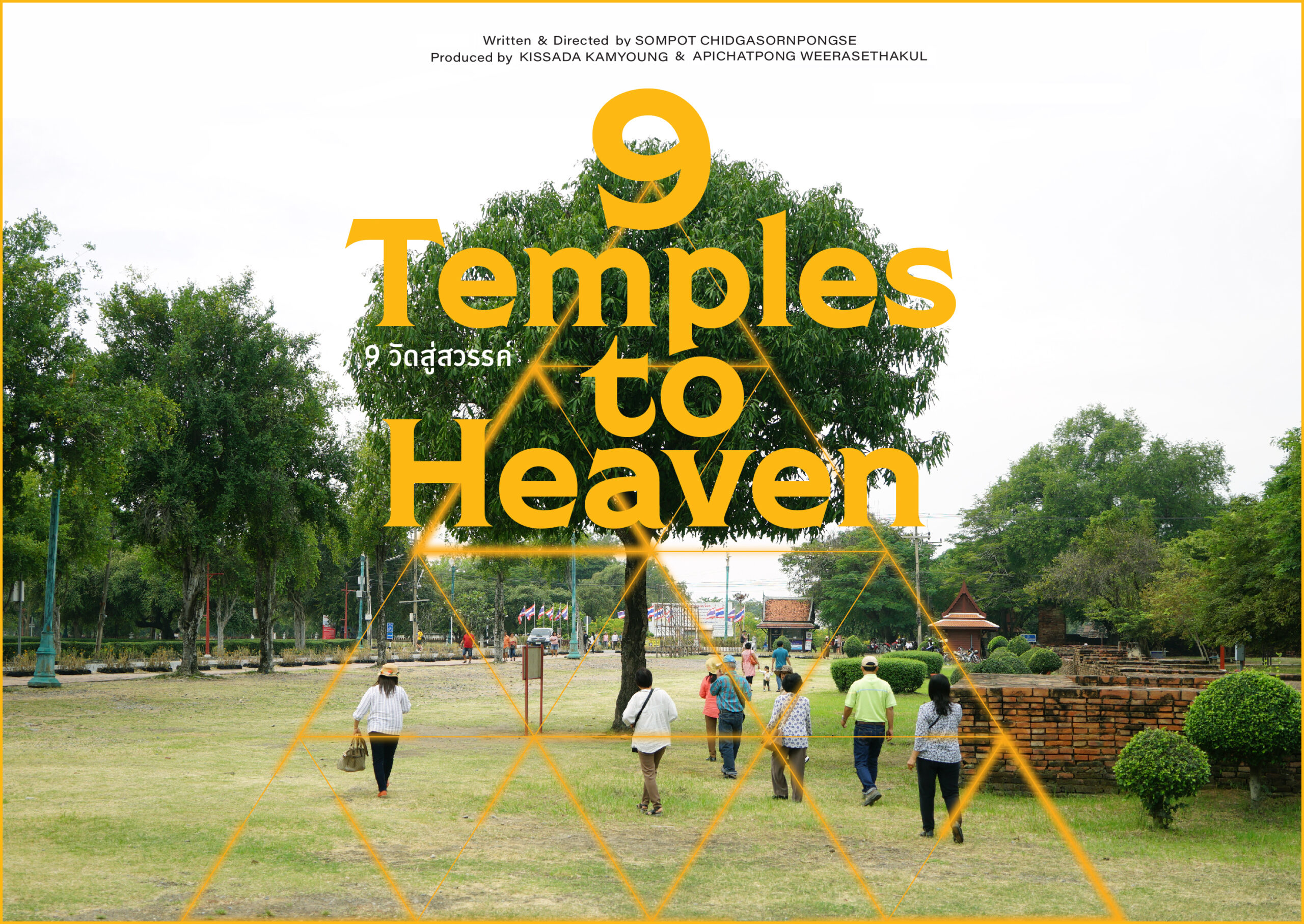
9 Temples to Heaven, a project selected for TGFM 2024, was officially selected for the Directors’ Fortnight at the 2026 Cannes Film Festival, one of the world’s three major film festivals. To celebrate this remarkable achievement, TGFM conducted an email interview with the film’s director, Sompot Chidgasornpongse, and producer, Kissada Kamyoung.
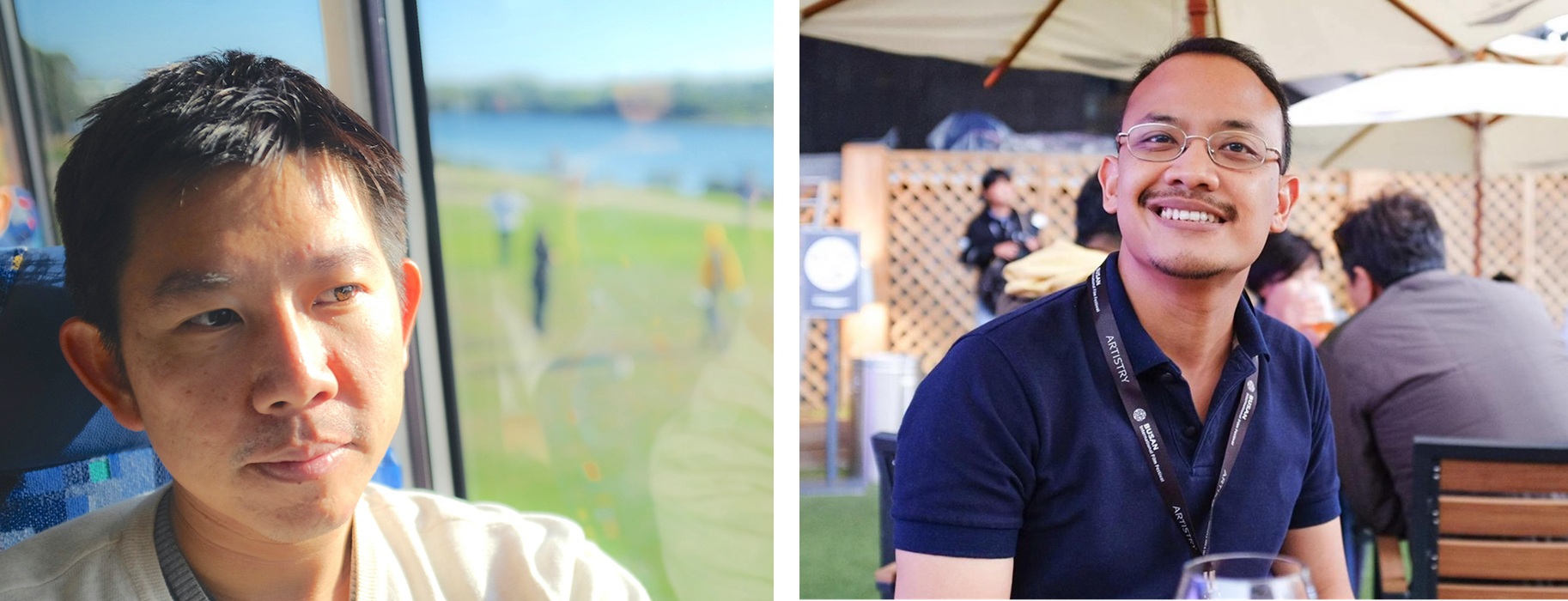
TGFM: What impressions or inspirations did you gain from attending the Cannes International Film Festival, one of the most prestigious film festivals in the world?
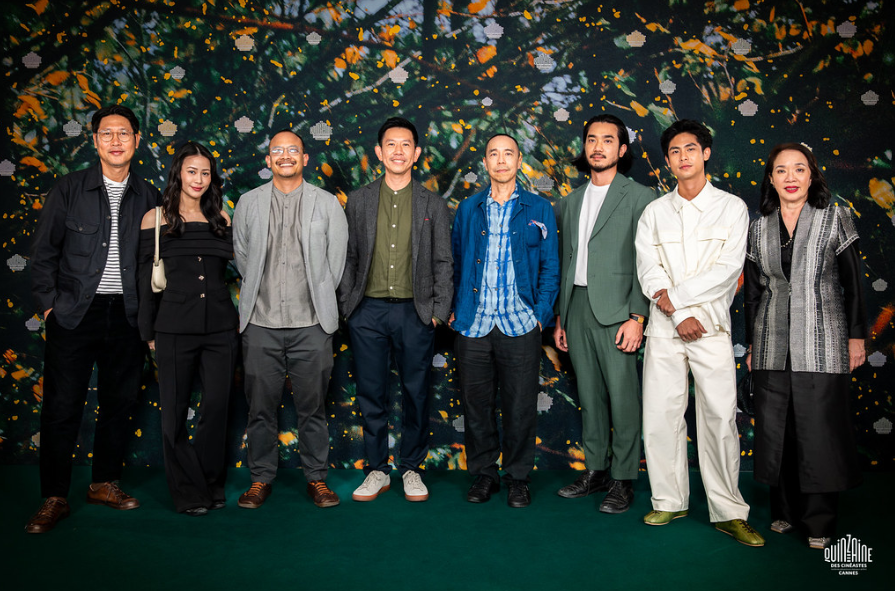
Sompot & Kissada : Cannes was full of energy and people who love cinema and take it seriously. It is a place where you can easily encounter industry peers, filmmaker friends, and even filmmakers you admire, all walking along the seaside under sunny skies. We were lucky this year that it did not rain much.
The atmosphere was stimulating. Presenting our film there was both exciting and overwhelming. Overall, we had a wonderful experience sharing the festival with our cast and crew.
TGFM: We understand that this story was inspired by your own family experience. What motivated you to turn it into a film?
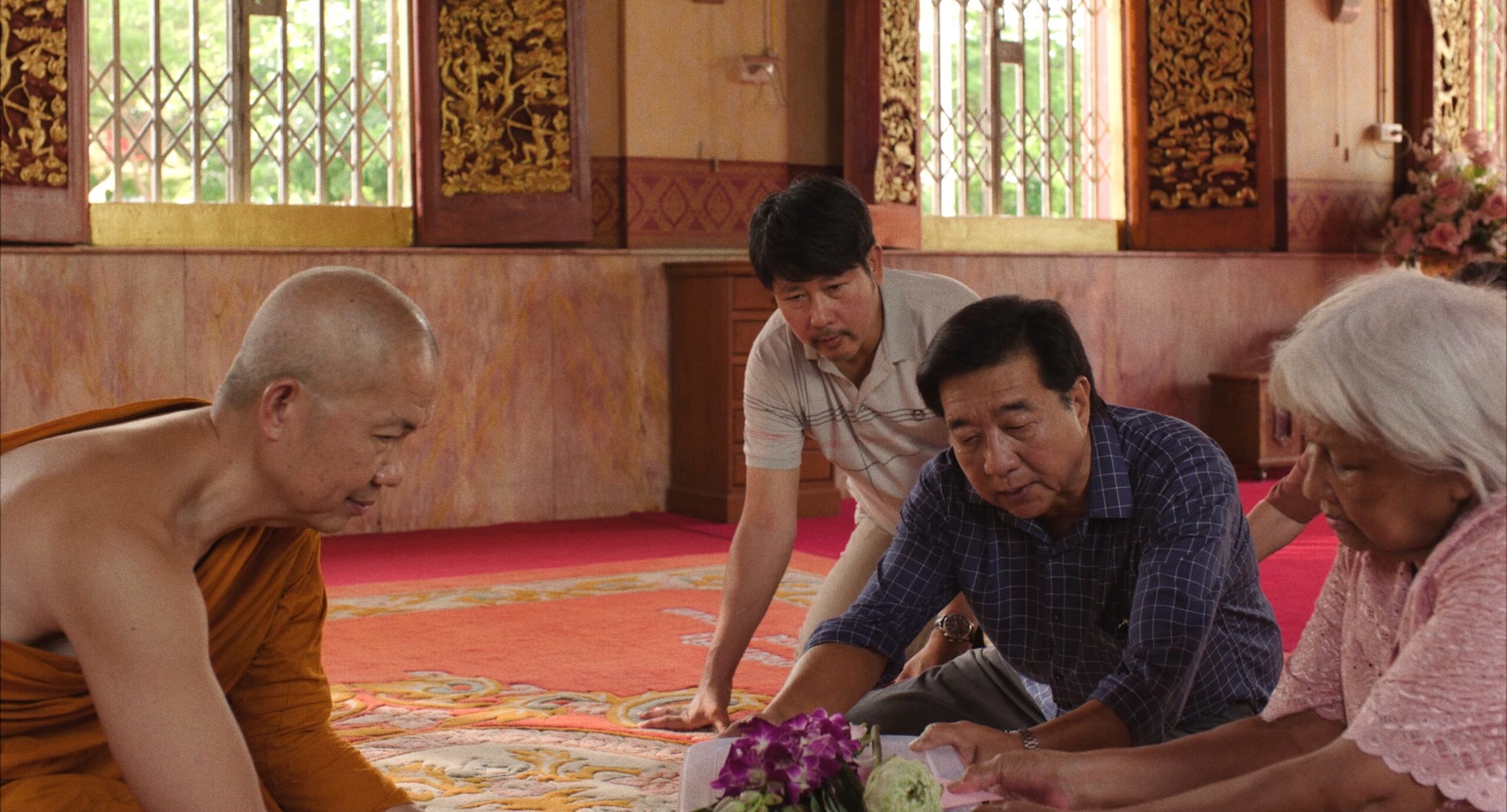
Sompot: Going to temples with my family was simply part of my way of life growing up. Spirituality, and the way we express it through rituals, has always been part of our everyday lives.
At the same time, these everyday practices are shaped by larger cultural forces and institutions. I’ve always been interested in exploring those complexities in the most subtle and honest way possible, based on how I have personally experienced them.
TGFM: What was the biggest challenge in developing the project as an international co-production?
Kissada: One of the biggest challenges was navigating the different production systems, funding structures, and legal frameworks in a way that would best serve the project. As the co-production gradually expanded from Thailand to Singapore, France, Norway, and later to Hong Kong, China, and Indonesia, each partner brought different working methods and perspectives.
Building a shared vision required constant dialogue, flexibility, and mutual trust. We were fortunate to work with collaborators who respected the spirit of the film and helped us find a production strategy that could support its international ambitions without compromising its identity.
TGFM: As an international co-production, how did you present the project’s appeal to partners outside Thailand?
Kissada: We never felt the need to reshape the project in order to appeal to international partners. Instead, we focused on sharing the film as honestly as possible, including the director’s artistic vision and his interest in everyday life, observation, and subtle human relationships.
I think our partners also recognized that, while the story is deeply rooted in Thai culture and Buddhist traditions, it explores experiences that are universal, family, care, aging, love, loss, and belief. Those are things that people can relate to regardless of where they come from.
TGFM: Having worked closely with Apichatpong Weerasethakul for many years, when did you first feel that you had found your own voice as a filmmaker through this project?
Sompot: Working with Apichatpong for 23 years has inevitably influenced me, but so have my family, my friends, the places I’ve been, many other artistic influences, and the different experiences I’ve had throughout my life.
This film certainly comes from a very personal place, and I’ve tried my best to be honest with it. I feel that finding one’s voice, if there is such a thing, is an ongoing process that reveals itself over time. I’m still in the process of discovering it.
TGFM: How do you feel the international market for arthouse films has changed in recent years?
Sompot: I still strongly believe that audiences continue to seek authentic voices and distinctive cinematic experiences. While short-form videos and social media have changed the way we consume moving images, I don’t see them as replacing cinema. If anything, they make the experience of watching a film in a cinema feel even more special and meaningful.
Arthouse cinema may remain a niche space, but I think there is still a genuine desire among audiences to engage with films that invite patience, reflection, and a different way of seeing the world. At the same time, the landscape has become increasingly competitive. Filmmakers today have to think not only about making films, but also about how to sustain their practice, build meaningful international relationships, and find ways for their work to reach audiences.
TGFM: What advice would you give to teams who may be interested in participating in TGFM in the future?
Sompot & Kissada: 9 Temples to Heaven was developed over many years through various labs, markets, and international collaborations before it was finally completed. The Tokyo Gap-Financing Market became an important milestone in that journey, not only because of the financing opportunities it provided, but because it connected us with people who genuinely believed in the project and continued to support it long after the market had ended.
My advice would be to simply apply. Come prepared, but also remain open to conversations beyond the scheduled meetings. Some of the most valuable outcomes may not happen immediately. The relationships you build can develop into long-term collaborations that continue to support both your project and your career for years to come.